


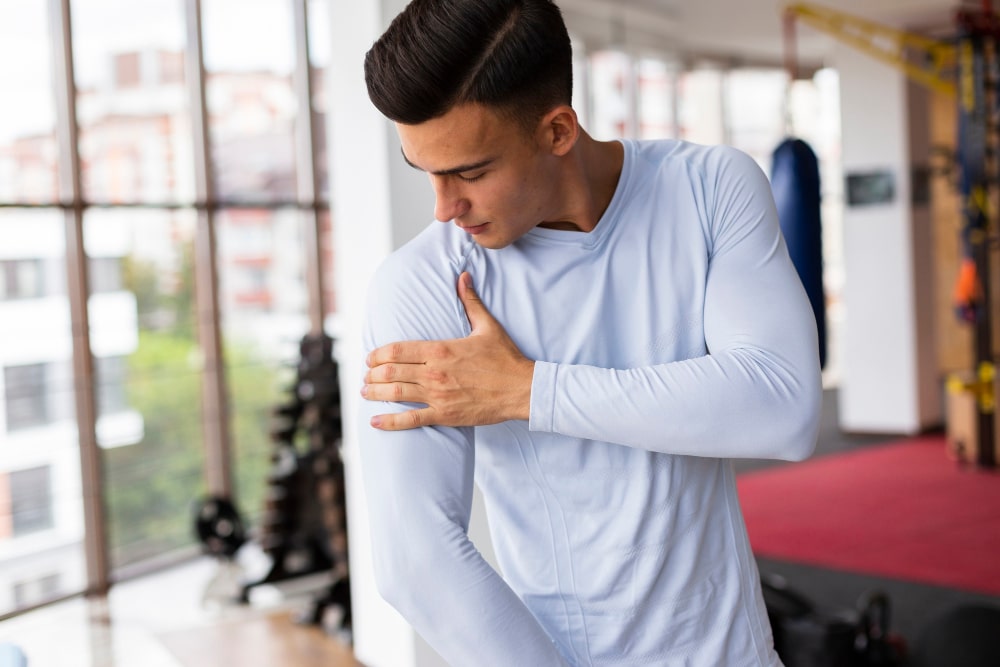
If you’ve recently started a new workout routine, you may have experienced muscle soreness after exercise. This is a common occurrence, especially for beginners who are just starting to engage in physical activity.
Muscle soreness is a sign that your body is adapting to new movements and becoming stronger. However, it can also be uncomfortable and make it difficult to continue with your fitness journey. That’s why today I’ve compiled a list of 7 tips to reduce post-workout soreness.
What Causes Soreness After Exercise?
Feeling sore after a workout is normal, especially if you try new exercises or work out harder than usual. One common reason is tiny tears that happen in your muscles when you exercise. These tears can cause inflammation and muscle pain.
This kind of muscle ache is known as delayed-onset muscle soreness, or DOMS for short. It usually starts a few hours after you finish exercising and can last for a day or two. Soreness is more likely if you do strength training, try new movements, or push your body more than it’s used to.
Other factors can make you feel sore, too. Not warming up before exercise, skipping cool-downs and stretches, or not drinking enough water can all increase your chances of feeling stiff or achy.
Related Reading: Easy Pre and Post Workout Meals for Beginners
1. Warm Up Properly
Before starting your workout, it’s important to properly warm up your muscles and prepare them for the upcoming activity. This can include light cardio, dynamic stretching, or even foam rolling.
Warming up helps to increase blood flow and loosen up your muscles, making them less prone to injury and soreness. It also helps to mentally prepare you for your workout, allowing you to focus on proper form and technique. If you skip the warm-up, you may experience more soreness and stiffness after your workout.
2. Cool Down After Your Workout
The cool-down and stretching phase is just as important as the warm-up, but often overlooked. After you’ve finished your workout, spend a few minutes cooling down. This can be as simple as walking or gently cycling at a slow pace.
This allows your heart rate to gradually decrease and prevents blood from pooling in your muscles. Many people also like to incorporate stretching into their cool-down routine. This can help to improve your flexibility and range of motion, as well as prevent injury.
Some good stretches to include are quad stretches, hamstring stretches, and calf stretches. So, remember to always make time for a proper cool-down after your workout.
3. Stay Hydrated
Water plays a big role in your muscle recovery. During a workout, you lose water through sweat and it’s important to replenish that lost water afterward.
Dehydration can make muscle soreness worse and slow down your recovery process. Along with water, your body also loses electrolytes, which are important minerals like sodium, potassium, and magnesium, when you sweat. These electrolytes help your muscles function properly and recover faster.
Here are some tips to stay hydrated after a workout:
- Make it a habit to drink water regularly all day, not just after you finish your workout.
- If your workout was very intense or lasted more than an hour, you might need a sports drink to help replace lost electrolytes.
- Eat water-rich foods like oranges, watermelon, or cucumbers as healthy snacks to boost your hydration.
- Avoid drinks that can dehydrate you, like sodas or energy drinks with lots of caffeine.
- Pay attention to your thirst and also check the color of your urine. It should be pale yellow or colorless if you’re hydrated.
Staying well hydrated not only helps your muscles recover faster but also keeps your energy levels up.
4. Listen to Your Body and Rest
Taking breaks gives your body a chance to recover and get stronger after exercise. If you feel extra sore, it might be a signal to take a rest day or lighten your routine. Give your body at least one or two days each week to rest.
Active recovery, like gentle yoga or a walk, is also helpful. However, if you’re feeling consistently fatigued or experiencing sharp pains, it’s important to consult your doctor.
Getting enough sleep also helps your body repair and feel better after exercising. Aim for 7-9 hours of quality sleep each night to allow your body the time it needs to repair and rebuild after a workout. Adequate rest not only helps with physical recovery but also with mental and emotional well-being.
Must Read: Why Consistency is Key in Beginner Workouts
5. Eat Nutritious Foods to Support Recovery
What you eat after a workout makes a big difference in how well your body recovers. Aim for a balanced meal with protein, healthy carbs, and good fats. Protein helps repair your muscles, and carbs replace the energy you burned.
Some nutrient-rich foods that can help reduce soreness after exercise include:
- Eggs, chicken, tofu, or legumes (for protein)
- Brown rice, whole grain bread, or sweet potatoes (for carbs)
- Avocado, nuts, or olive oil (for healthy fats)
- Fruits and veggies, especially those high in vitamin C and antioxidants
Try to eat a balanced meal within two hours after your workout. This will provide the nutrients your body needs to heal and rebuild muscle. Eating well makes it easier to bounce back and feel your best after exercising.
6. Wear Comfortable Clothing
Choose clothing and shoes that fit well and allow your body to move freely. The right gear can make workouts more enjoyable and help you avoid extra soreness or irritation.
Look for soft, breathable fabrics that keep you cool and dry as you exercise. Avoid anything too tight or rough, since that can cause chafing or discomfort during movement. Your shoes should provide proper support and cushioning for the specific activity you’re doing.
7. Limit Stress
High stress can make muscle soreness feel worse and slow down recovery. Try simple ways to relax, like deep breathing, stretching, or spending time with friends and family. Keeping stress low supports your body’s natural healing.
When to See a Doctor
While muscle soreness is normal, it should start to fade in a few days. See a doctor if:
- Your muscle pain is severe, sudden, or lasts longer than a week
- You notice heavy swelling, dark urine, or cannot move the affected muscles
- You find it hard to do normal daily tasks because of the pain
These signs could mean there is a health problem that needs a doctor’s care.. It’s always better to be safe and get checked by a doctor if you have any concerns about your muscle soreness.
My Experience with Muscle Soreness
When I first started working out, I used to feel sore for days. It was tough to sit down, and climbing stairs felt impossible. At the time, I didn’t understand how important recovery was.
Over the years, I learned to always warm up before exercise and to stretch afterward. Drinking water and eating good food helped make a big difference, too.
I also started using a foam roller, and it really helped reduce soreness after exercise. Taking rest days and sleeping well allowed my body to heal and get stronger. Now, even if I try a new workout, I recover much faster and don’t let soreness stop me from staying active.
Conclusion
As you can see, there are several ways to reduce soreness after exercise. It’s important to listen to your body and make sure you’re taking care of it before and after a workout. Incorporating these tips into your routine will not only help ease post-exercise discomfort but also improve overall performance and prevent injury.
If you’re experiencing persistent or extreme soreness, it’s important to consult with a healthcare professional. Remember, taking care of your body is crucial for achieving your fitness goals and maintaining a healthy lifestyle.
Frequently Asked Questions
How long does muscle soreness last after exercise?
Soreness usually starts about 6–12 hours after exercise and can last up to 48 hours. It typically goes away on its own as your body recovers.
Is it better to rest or keep moving if I’m sore?
While rest is important, gentle movements like light walking or stretching can help increase blood flow and ease soreness. But if the soreness is severe or debilitating, taking a rest day may be necessary.
Do supplements help reduce soreness after exercise?
Some supplements, like omega-3 or tart cherry juice, may help with recovery, but a balanced diet is the most effective way to support your muscles. Drinking plenty of water and consuming enough protein can also aid in reducing soreness after exercise.
How often should I exercise to avoid feeling sore?
Gradually increasing the intensity and frequency of your workouts can help prevent excessive soreness. It’s important to listen to your body and not push yourself too hard, but also not be too sedentary.
Read More: How to Create a Beginner Workout Plan: A Comprehensive Guide
