


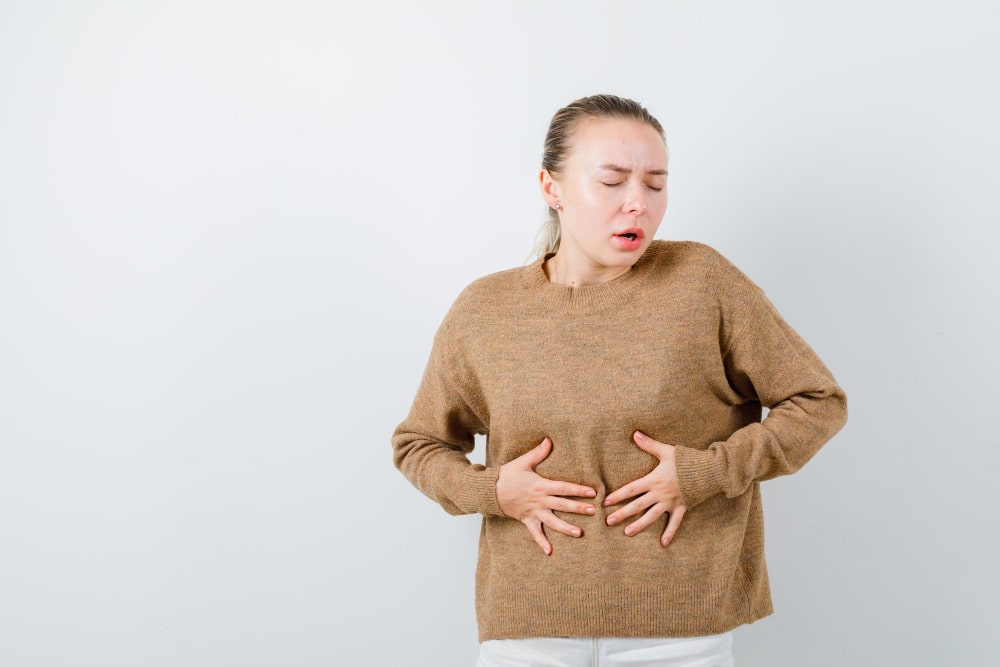
Do you feel pain or heaviness in your stomach after eating? Do you experience excessive gas and belching that makes you feel embarrassed to stand in front of others? If your answer is yes, you may be suffering from a bloated stomach.
Bloating stomach is a common digestive problem that occurs when gas accumulates in your gastrointestinal tract, making your stomach feel full and bloated. It can also cause discomfort, pain, and sometimes feelings of embarrassment. While occasional bloating is normal, persistent bloating can be a sign of an underlying health condition.
Causes of Bloating Stomach
There are many possible causes of a bloated stomach, including:
- Irritable Bowel Syndrome (IBS)
- Eating too quickly or overeating
- Constipation
- Swallowing air while eating or drinking
- Food intolerances or sensitivities
- Certain medications
- Gastrointestinal infections
- Chronic stress or anxiety
These are just some of the common causes of a bloated stomach. It is important to identify the cause of bloating in order to find the appropriate treatment. Before going to the doctor, there are some steps you can take to relieve bloating at home. These are all natural remedies that can help relieve bloating and improve digestion.
You may also need: Home Cures for Sinus Headaches: Natural Remedies That Work
Natural Remedies for Bloating Stomach
1. Eat Mindfully
The first step to relieving bloating at home is to pay attention to what and how you eat. Eating too quickly or not chewing your food properly can lead to bloating. When you don’t chew your food enough, large food particles enter the stomach and take longer to digest, causing gas and bloating. Eating mindfully also means avoiding foods that you know trigger bloating or discomfort for you.
Common Foods That Can Cause Bloating:
- Beans and Legumes
- Dairy Products
- Broccoli, Cabbage, Cauliflower
- Artificial Sweeteners
- Carbonated Drinks
- Onions and Garlic
- Apples, Peaches, Pears
- Wheat and Gluten-containing Products
- High Fat Foods
Note that just because these foods can cause bloating in some individuals, it doesn’t mean they are unhealthy or should be avoided entirely. It’s all about learning what works for your body and making choices based on that.
If you do experience bloating after eating any of these foods, try reducing the portion size or cooking them differently (i.e., soaking beans before cooking). You can also keep a food diary to track which foods tend to cause discomfort for you.
Best Foods to Eat When You Feel Bloated
| Food | Benefits for Bloating |
|---|---|
| Bananas | High in potassium, helps balance sodium levels |
| Yogurt | Contains probiotics that aid digestion |
| Cucumber | High water content, reduces puffiness |
| Papaya | Contains enzymes that ease digestion |
| Fennel Seeds | Relieves gas and soothes the digestive tract |
| Oatmeal | High in fiber, supports healthy digestion |
2. Limit Salt Consumption
Salt is a commonly used ingredient in cooking and can enhance the flavor of many dishes. However, Excessive salt consumption can negatively impact our health.
The recommended daily intake of salt is less than 2,300 mg, but the average American consumes around 3,400 mg per day. This excess salt intake can lead to water retention and bloating in the stomach. So limit your salt intake by avoiding processed and packaged foods, which tend to have high levels of sodium.
3. Add Ginger or Peppermint Tea
Another effective way to reduce bloating in the stomach is by drinking ginger or peppermint tea. These two herbal teas are known for their ability to soothe digestive issues and alleviate bloating.
Ginger contains compounds that help relax muscles in the digestive system, which improves digestion and reduces bloating. Peppermint has properties that can calm stomach spasms and reduce gas buildup. It also has a refreshing flavor that can help ease nausea and indigestion.
To make ginger tea, simply boil a few slices of fresh ginger in water for 5-10 minutes and then strain the mixture. For peppermint tea, steep a handful of fresh peppermint leaves in hot water for 5-10 minutes before straining. Both teas can be sweetened with honey or lemon for added benefits and a pleasant taste.
4. Use Probiotics
Probiotics are beneficial bacteria that help maintain a healthy balance in the gut and improve digestion. Consuming probiotic-rich foods regularly can help reduce bloating and promote a healthier digestive system.
Foods in probiotics include:
- Yogurt
- Kimchi
- Sauerkraut
- Tempeh
- Miso
- Kefir
- Kombucha
- Pickles
- Dark chocolate (in moderation)
Including probiotic-rich foods in your diet can also help boost the immune system and improve overall gut health. These foods provide essential nutrients and help break down food more efficiently, reducing the likelihood of bloating.
I remember when I first started incorporating probiotic-rich foods into my diet, I noticed a significant improvement in my digestive health. Not only did I experience less bloating and discomfort, but I also felt more energized and overall healthier.
5. Keep Yourself Hydrated
Drinking plenty of water helps maintain healthy digestion and can reduce the feeling of bloating. Staying hydrated ensures that our digestive system is functioning properly and can help flush out excess gas and toxins. AT least 8-10 glasses of water a day is recommended for optimal hydration and digestive health.
Besides plain water, other hydrating and soothing drinks can also help reduce bloating:
- Lemon water
- Coconut water
- Aloe vera juice
- Cucumber water
- Herbal teas (such as chamomile, fennel, or dandelion)
These drinks can also provide additional benefits such as reducing inflammation and promoting detoxification in the body.
6. Manage Stress Levels
This is another natural way to beat bloating. Stress can affect digestion and lead to bloating and discomfort in the stomach. Therefore, maintaining healthy stress levels is essential for supporting optimal digestive health.
Some effective natural remedies for reducing stress include:
- Yoga or meditation
- Exercise
- Deep breathing techniques
- Adequate sleep
- Spending time in nature
- Listening to calming music
- Aromatherapy with essential oils
It is essential to identify the right coping mechanisms that work for you and incorporate them into your daily routine. By managing stress effectively, you can reduce bloating and support a healthy digestive system.
See a Doctor if Necessary
If you have tried various natural remedies and still experience persistent bloating, it may be necessary to see a doctor. Bloating can sometimes be a symptom of an underlying medical condition such as Irritable Bowel Syndrome (IBS), Celiac disease, or lactose intolerance. Your doctor can help determine the cause of your bloating and provide appropriate treatment options.
Taking care of your mental and emotional well-being is also important when dealing with bloating. Remember, bloating is a common occurrence and can usually be managed with simple lifestyle changes and home remedies. However, if you find yourself feeling overwhelmed or stressed out due to bloating it may be helpful to seek support from a therapist or counselor.
Final Thoughts
Bloating stomach can be a common and uncomfortable issue that many people experience. Fortunately, several natural remedies can help alleviate bloating and support overall digestive health.
All these natural remedies are safe, affordable, and easy to incorporate into your daily routine. Whether you choose to use ginger tea, probiotics, or any other natural remedy, consistency is key in seeing results. However, if you’re experiencing severe or chronic bloating, please don’t hesitate to consult a gastroenterologist for a proper diagnosis and treatment.
Frequently Asked Questions
What are the best natural remedies for bloating?
Some of the best natural remedies include consuming ginger tea, peppermint, fennel seeds, chamomile tea, or adding probiotics to your diet. These remedies can help alleviate gas and promote better digestion.
Can drinking water reduce bloating?
Yes, staying hydrated helps flush out excess sodium and supports smooth digestion, which can reduce bloating over time.
How often should I consume natural remedies for bloating?
For best results, natural remedies like herbal teas or probiotics can be consumed daily. However, consistency is key, and you should tailor your approach based on your body’s response.
What unique lifestyle adjustments can reduce bloating?
Yes, making small lifestyle changes such as eating slowly and chewing food thoroughly, avoiding carbonated drinks and straws, and managing stress levels can all help reduce bloating.
Can natural remedies completely cure bloating?
Natural remedies can help alleviate symptoms of bloating and support overall digestive health, but they may not completely cure the underlying cause. It is important to address any potential medical conditions and make lifestyle changes in addition to using natural remedies.
Can exercise relieve a bloated stomach?
Light activities like walking, yoga, or stretching can help release trapped gas and reduce bloating.
Read More: Amazing Benefits of Jeera Water for Stomach Health
