


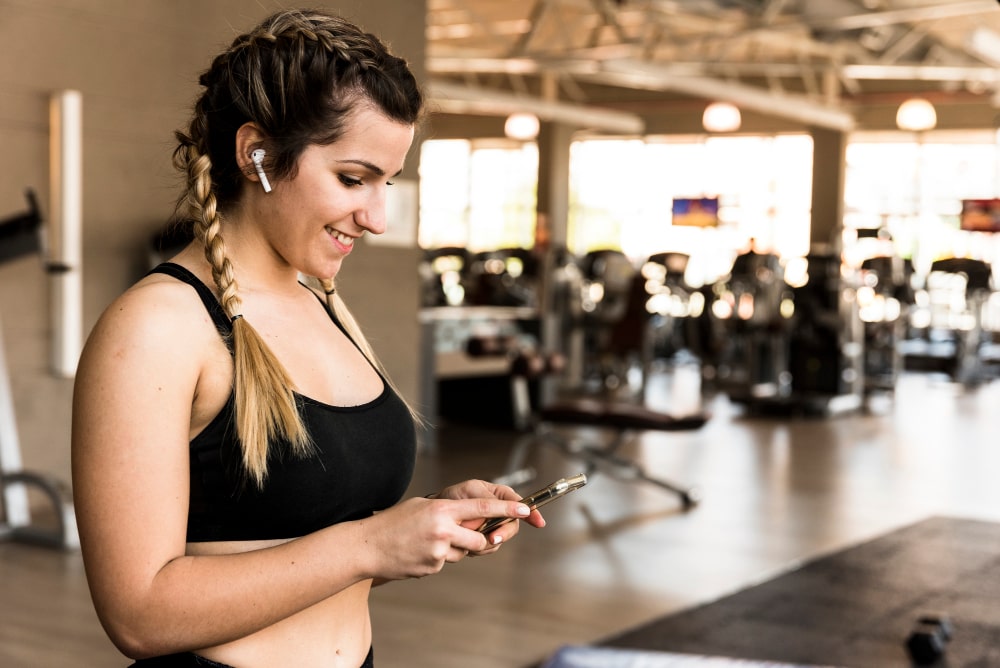
Do you ever feel like you’re putting in hours at the gym but still not seeing any results? It can be frustrating and demotivating to work hard without seeing progress. However, tracking your progress in the gym is crucial for staying motivated and achieving your fitness goals.
Not only does it keep you motivated, but it also helps you make necessary adjustments to your workout routine for better results. I have seen many people who go to the gym without any purpose and just do random exercises. This often leads to little to no progress, and eventually, they give up on their fitness journey.
Why Should You Track Your Progress in the Gym?
There are several reasons why tracking your progress in the gym is essential for your fitness journey. Some of the main reasons include:
- Motivation: Seeing progress can be a great motivator to keep pushing yourself and staying consistent with your workouts. When you track your progress, you can see how far you’ve come and use it as fuel to keep going. This can be especially helpful on days when you feel demotivated or lazy.
- Accountability: Tracking your progress also helps hold yourself accountable for your fitness goals. When you have a record of your workouts and results, it’s easier to see if you’re slacking or not putting in enough effort.
- Identify areas of improvement: By tracking your progress, you can identify areas of improvement in your fitness routine. Maybe you notice that your upper body is getting stronger, but your lower body needs more attention. Tracking helps pinpoint these areas so you can adjust your workouts accordingly.
- Celebrate successes: Keeping a fitness log also allows you to celebrate your successes. Maybe you couldn’t do a single push-up when you started, but now you can ten without breaking a sweat. This progress is something to be proud of and can motivate you to keep pushing towards your fitness goals.
These are just a few reasons why tracking your fitness progress is important. It not only helps you stay accountable and motivated, but it also lets you see tangible results and make adjustments to your routine for better progress.
Now I’m sure you’re wondering how exactly I can track my fitness progress?
Must Reading: How to Prevent Workout Injuries: A Beginners Guide
Practical Methods to Track Progress in the Gym
Keep a Workout Journal
A workout journal is one of the most straightforward tools for tracking your progress in the gym. You can use a physical notebook or an app on your phone to record the exercises, sets, and reps you do for each workout. This will not only help you keep track of your progress but also allow you to see patterns and identify areas that need improvement.
Here are some tips for keeping an effective workout journal:
- Write down the exercises, sets, reps, and weights lifted for each workout.
- Note any physical changes you notice (e.g., increased muscle definition or weight loss).
- Include how you felt during and after your workouts.
- Be consistent with recording your workouts; aim to write in your journal after every session.
Take Progress Photos
Sometimes the best way to see your progress is by taking photos of yourself before and after you start working out. These photos can serve as a visual representation of your progress, especially when it comes to muscle growth and weight loss.
When taking progress photos, make sure to wear the same clothing and stand in the same position each time. This will help you accurately compare your photos over time. It’s also a good idea to take photos from different angles, such as front, side, and back.
You can also choose to share your progress photos with family and friends for support and motivation. I remember when I started my fitness journey, I was hesitant to share pictures of my progress with anyone. But once I did, the positive feedback and encouragement I received motivated me even more to keep going.
Setting Realistic Goals
Setting realistic goals is crucial in tracking progress in the gym. It’s important to have a clear idea of what you want to achieve and how long it may take. Unrealistic goals can lead to disappointment, which may cause some people to give up on their fitness journey altogether.
Here are some tips for setting realistic goals in the gym:
- Start small: Instead of setting big, intimidating goals, start with smaller ones that are achievable in a shorter timeframe. This will help you stay motivated and build confidence as you track your progress.
- Be specific: Instead of saying “I want to get stronger,” set a specific goal like “I want to be able to deadlift my body weight.”
- Have a plan: Create a workout plan or seek guidance from a trainer to help you reach your goals in an organized and effective manner.
Use Fitness and Tracking Apps
Technology makes tracking your gym progress easier than ever. Many apps are designed to log your workouts, monitor your nutrition, and analyze your fitness trends over time. Some popular fitness and tracking apps include MyFitnessPal, Fitbit, and Strava.
Not only do these apps help you stay accountable, but they also motivate by showing your progress and allowing you to set goals. So don’t be afraid to take advantage of technology and incorporate it into your fitness routine.
Measure Your Body
Another helpful tip for tracking your gym progress is to measure your body. This includes taking measurements of your arms, waist, hips, thighs, and other areas you want to focus on. By measuring yourself regularly, you can see changes in your body composition and track progress that may not be reflected on the scale.
I saw a huge difference in my body when I started tracking my measurements, and it helped me stay motivated to keep pushing myself in the gym. Not only does measuring your body help you track progress, but it also allows you to set realistic goals for yourself.
For example, if you want to decrease your waist measurement by one inch, you can create a plan to achieve that goal within a certain time frame.
Get Feedback from a Trainer or Workout Partner
If you work with a trainer or exercise with a friend, ask them for feedback on your form, endurance, and strength. A second set of eyes can catch improvements or areas for growth you might overlook. Trainers can also help you adjust your program based on your tracked results, making your workout plan smarter and more effective.
Conclusion
Tracking your progress in the gym can greatly benefit your fitness journey. By regularly tracking and analyzing your results, you can measure your progress, set new goals, and make adjustments to your workout plan.
Don’t forget to track various aspects such as weight, measurements, sets, reps, and even how you feel during workouts. After a few weeks or months, look back at your progress and celebrate the improvements you’ve made.
Frequently Asked Questions
How often should I track my progress in the gym?
Track your workouts daily, take measurements and photos once a month, and review your achievements regularly for the best results.
What’s the best app for tracking gym progress?
Popular options include MyFitnessPal, Strong, Jefit, and Fitbit. The best app is the one you enjoy using and that fits your tracking needs.
Why am I not seeing progress despite tracking everything?
Plateaus are normal and can occur for various reasons, like inadequate recovery, poor nutrition, or lack of challenge in your workouts. Make adjustments and consult a fitness professional if needed.
Is tracking progress necessary for beginners?
While it may not be necessary, it can still be beneficial for beginners to track their progress in order to see improvements and stay motivated.
Do I need expensive equipment to track my progress?
No, there are many low-cost or even free options for tracking progress, such as using a notebook or an app on your phone. Expensive equipment is not necessary for tracking progress.
Read More: 5 Beginner Workout Tips for Weight Loss
