


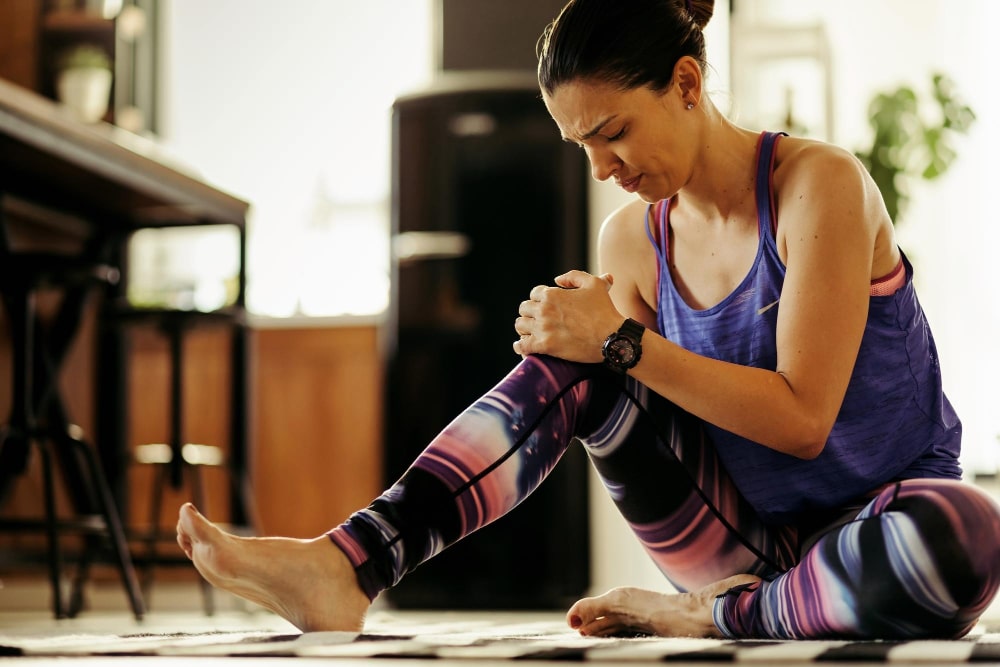
Are you interested in staying fit and healthy but afraid of getting injured while exercising? Exercise injuries are a common concern for many people, but they are especially common among those who have just started their fitness journey.
However, this should not stop you from working out and achieving your fitness goals. With the right knowledge and precautions, you can prevent workout injuries and keep yourself safe while staying active.
That’s why today, I’ll share some tips to help you stay injury-free during your workout. If you follow these tips, you can minimize your risk of injury and enjoy a safe and effective workout experience.
Related Reading: How to Stay Consistent with Beginner Workouts
Advertisement
Preventing Workout Injuries
1. Warm-Up Properly
The first and most important thing you can do to prevent exercise injuries is to warm up properly before starting your workout. A proper warm-up prepares your body for the physical activity that is to come, helping to reduce the risk of injury. I saw many people starting their workout directly without a proper warm-up.
It is a big mistake that can lead to muscle strains, sprains, and other injuries. Warm up your muscles by doing some light cardio exercises like jogging or jumping jacks for 5-10 minutes. Then, perform some dynamic stretches to loosen up your muscles and increase blood flow. This will help your body to be prepared for more strenuous exercises.
2. Importance of Cool-Down
After completing your workout, it is equally important to cool down your body. Just like warming up, cooling down also helps to prevent injuries and promote overall recovery. Cooling down allows your heart rate and blood pressure to gradually return to normal levels, preventing dizziness or fainting.
It also aids in flushing out toxins and waste products from your muscles, reducing the risk of muscle soreness.
Some recommended cool-down activities include:
- Light jogging or walking
- Stretching
- Foam rolling
- Deep breathing exercises
- Yoga or Pilates
These activities help to ease tension in your muscles and promote relaxation. It is important to listen to your body and choose a cool-down activity that feels comfortable for you.
Remember, cooling down should not be rushed. Take your time and allow your body to gradually return to its resting state.
3. Focus on Proper Form
One of the most overlooked factors in how to prevent workout injuries is maintaining proper form during your exercises. Using the wrong technique can put unnecessary stress on your joints, muscles, and ligaments. Over time, this may lead to serious injuries or chronic pain.
If you’re new to a particular exercise or machine, don’t hesitate to consult a trainer or watch instructional videos for guidance. This will ensure that you’re performing the exercise correctly and minimizing your risk of injury. So start with lighter weights and gradually increase the intensity as your form improves.
4. Use the Right Equipment
The equipment you use plays a big role in preventing workout injuries. Make sure you wear suitable footwear that provides good support and cushioning. Ill-fitting shoes can lead to blisters, sprains, and even fractures.
It’s also important to ensure that the equipment you’re using is appropriate for your fitness level. Using equipment that is too heavy can put unnecessary strain on your muscles and joints, increasing the risk of injury.
If you are using weights, resistance bands, or fitness machines, check that they are in good condition. Replace or repair any damaged equipment immediately to avoid accidents. Use protective gear, such as gloves or knee wraps, because they can also give you extra support if you need it.
5. Stay Hydrated
Keeping your body hydrated is essential for performance and injury prevention. During exercise your body loses water through sweat and breath. Not drinking enough water increases your risk of dehydration, which can lead to muscle cramps, dizziness, or even heat stroke.
Staying hydrated helps your body recover and reduces your risk of injury. It also helps your muscles function properly, improves joint lubrication, and regulates body temperature.
The amount of water you need depends on factors such as the intensity and duration of your exercise, as well as your body weight.
A good rule of thumb is to drink 17-20 ounces of water 2-3 hours before exercising and then continue to consume 7-10 ounces every 10-20 minutes during your workout. If you’re participating in a high-intensity or long-duration workout, consider drinking a sports drink to replenish lost electrolytes as well.
6. Listen to Your Body
Ignoring pain or fatigue is one of the fastest ways to get hurt. While it’s normal to feel some muscle soreness after a workout, pay attention to any sharp or persistent pain. If something doesn’t feel right, stop what you’re doing and take a break. Pushing through the pain can lead to serious injuries that may prevent you from working out in the future.
I remember when I first started working out, I would push myself too hard and ignore any pain or discomfort. This eventually led to a knee injury that took months to heal. It was a frustrating setback that could have been avoided if I had listened to my body and taken breaks when needed. So don’t make the same mistake I did and always prioritize your safety and well-being when exercising.
7. Mix Up Your Routine
Doing the same workouts over and over stresses the same muscle groups. Cross-training with different types of exercises can help prevent overuse injuries and also keep your workouts interesting and challenging.
Mixing up your routine can also target different muscle groups, helping you achieve a more balanced and well-rounded physique. For example, if you’re used to mainly doing cardio exercises like running, try incorporating strength training and stretching into your routine.
Not only will this provide variety, but it can also improve your overall fitness and help prevent plateaus in progress.
8. Pay Attention to the Environment
The workout environment can also play a big role in preventing injuries. Make sure that floors are dry and clear of any objects before starting your workout. If you’re exercising outdoors, check the weather and wear appropriate gear for conditions such as rain or extreme heat.
If you use a gym, make sure to wipe down equipment before and after use to keep surfaces dry and germ-free.
9. Get Professional Guidance
If you’re serious about preventing exercise injuries and want to learn proper form, consider working with a certified personal trainer or coach. These experts can design a workout plan tailored to your fitness level, demonstrate proper technique, and provide valuable feedback to help you avoid common exercise mistakes.
Conclusion
Injuries are a common occurrence in sports and exercise, but with the right precautions, they can be avoided. By incorporating these tips into your fitness routine, you can reduce your risk of injury and stay on track to reaching your goals.
Always listen to your body, pay attention to proper form, and seek professional guidance if needed. With a little extra effort and care, you can enjoy a safe and injury-free workout experience. Remember, preventing injuries is crucial for a healthy and active lifestyle.
Frequently Asked Questions
What are effective ways to avoid injuries during exercise?
By listening to your body, paying attention to proper form, and seeking professional guidance if needed, you can reduce your risk of injury during sports and exercise.
Why is preventing injuries important for a healthy lifestyle?
Injuries can be debilitating and hinder one’s ability to lead an active lifestyle. By taking precautions and avoiding injuries, individuals can continue to pursue their fitness goals without setbacks or limitations.
How can proper warm-up and cool-down routines prevent injuries?
Warm-up exercises help prepare the body for physical activity by increasing blood flow to muscles and improving flexibility. On the other hand, cooling down after exercise allows the body to gradually return to its resting state, reducing the risk of muscle soreness and injury.
These routines are crucial in preventing injuries as they allow the body to adjust and adapt to the demands of physical activity.
Is it possible to completely prevent all workout injuries?
While you can greatly reduce your risk, it isn’t always possible to prevent every injury. However, following best practices like warming up, using proper form, and listening to your body makes injuries far less likely.
Must Reading: 5 Beginner Workout Tips for Weight Loss
