


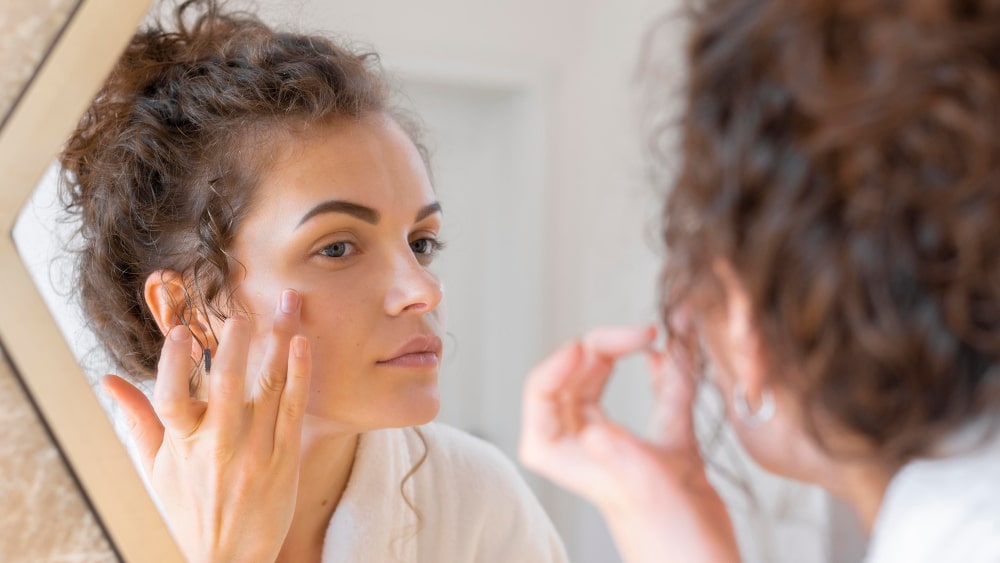
Skin type is an important factor to consider when it comes to maintaining healthy and beautiful skin. Different individuals have different skin types, which require specific care and attention. Now you might be wondering how do I identify my skin type?
Well, don’t worry because today, in this article, I will provide you with a comprehensive guide to identifying your skin type. These tips will not only help you understand your skin better but will also help you choose the right products for your specific skin type.
What is Skin Type?
Skin type refers to the natural characteristics of an individual’s skin, which are determined by genetics and environmental factors. It defines how much oil your skin produces and its ability to retain moisture. Your skin type is not permanent and can change over time due to various reasons such as hormonal changes, weather conditions, stress, and aging.
The classification of skin is generally based on four main types.
- Normal Skin
- Dry Skin
- Oily Skin
- Combination Skin
Related Reading: Morning Skincare Routine for Oily Skin
Why Is Identifying Your Skin Type Essential?
You must understand your skin type to maintain healthy and radiant-looking skin. It helps you to choose the right skincare products and develop a routine that suits your skin’s needs.
Normal Skin
Normal skin is a well-balanced and healthy type that is neither too oily nor too dry. It has a smooth texture, no visible pores, and is free of blemishes. People with normal skin are generally less prone to breakouts and can tolerate most skincare products without any adverse reactions. However, it is still essential to maintain a skincare routine to keep the skin healthy.
Dry Skin
Dry skin lacks moisture and natural oils, making it appear flaky, tight, and dull. It may also feel rough and itchy at times. Factors such as genetics, aging, climate changes, and certain medical conditions can contribute to dry skin.
If you have dry skin, it is crucial to use gentle hydrating products that help lock in moisture and nourish the skin. Look for ingredients like hyaluronic acid, glycerin, and ceramides in your skincare products to keep dryness at bay.
Oily Skin
On the other hand, oily skin produces excess sebum, causing the skin to appear shiny and greasy. It is more prone to developing acne and clogged pores due to the overproduction of oil. Oily skin can be caused by hormonal changes, genetics, or environmental factors like humidity.
If you have oily skin, it is important to choose skincare products that are oil-free and non-comedogenic. Look for ingredients like salicylic acid, benzoyl peroxide, and retinoids in your skincare routine to control excess oil production and prevent breakouts.
To maintain healthy, refreshed skin, gently cleanse your face twice daily using a mild cleanser, followed by a toner and moisturizer specific for oily skin.
Combination Skin
Combination skin is the most common skin type, where some areas of the face are dry or normal while others are oily. This can be a difficult skin type to manage because different parts of the face may require different skincare routines.
To care for combination skin, it’s important to balance the different needs of each area. For dry or normal areas, use a gentle cleanser and a heavier moisturizer. For oily areas, use a cleanser specifically for oily skin and a lightweight moisturizer.
How to Identify Your Skin Type
To properly care for your skin, it’s important to first identify your skin type. Determining your skin type is made easy with just a few simple steps.
The Bare-Faced Test
The best way to determine your skin type is by doing the bare-faced test. This involves cleansing your face with a gentle cleanser, then carefully patting it dry. After 30 minutes, examine your skin in the mirror and take note of any visible characteristics. Here are some common signs to look for:
- Dry Skin: If your skin feels tight, flaky, or rough to the touch, you most likely have dry skin.
- Oily Skin: If you notice that your skin looks shiny, especially around the T-zone (forehead, nose, and chin), you have oily skin.
- Combination Skin: Combination skin is when some areas of your face are oily while others are dry or normal.
- Sensitive Skin: If you experience redness, itching, or burning sensations when using certain skincare products, you have sensitive skin.
After determining your skin type, choose skincare products tailored to its unique needs to achieve the best results. Using the wrong products can worsen existing skin issues or create new ones.
The Blotting Paper Test
To determine your skin type, you can also do a simple blotting paper test. Yes, that’s right – with just a piece of blotting paper.
- Begin by cleansing your face thoroughly then gently pat it dry using a clean towel.
- Wait for 30 minutes and do not apply any skincare products during this time.
- After 30 minutes, take a piece of blotting paper and gently press it onto different areas of your face for a few seconds.
- Hold the blotting paper up to the light and observe it closely.
- If the paper has picked up little to no oil, then you most likely have dry skin.
- If there is minimal oil on the paper, then you have normal skin.
- If the blotting paper shows a significant amount of oil, it means you have oily skin.
Helpful Tips for All SkinCare Types
Now you know how to determine your skin type, here are some helpful tips that can benefit all skin types:
- No matter your skin type, always use sunscreen with a minimum SPF of 30 for optimal protection.
- Exfoliate regularly to remove dead skin cells and reveal brighter, smoother skin underneath. However, be careful not to over-exfoliate as it can irritate and damage the skin.
- Always remove makeup before going to bed and make sure to cleanse your face thoroughly.
- Hydrate regularly by drinking enough water and using a moisturizer suitable for your skin type.
- Add antioxidant-rich foods to your diet, such as berries, dark leafy greens, and fatty fish, to help protect your skin from environmental damage.
- Manage stress levels as excessive stress can cause breakouts and other skin issues.
- Get enough sleep to allow your body and skin to rest and repair.
- Add facial massage to your skincare routine to improve circulation and give your skin a healthy glow.
- Try using natural ingredients in your skincare products, such as honey, avocado oil, and coconut oil, for added nourishment.
Conclusion
Identifying your skin type is an essential step in creating a personalized skincare routine. By understanding your skin type, you can choose products and treatments that will effectively address your specific concerns and needs.
Pay attention to any changes in your skin as it may change over time due to factors like aging, hormonal shifts, and environmental changes.
Feel free to explore various products and treatments to discover what works best for your skin. And remember, always prioritize proper skincare over makeup to maintain healthy and glowing skin in the long run.
Frequently Asked Questions
Is diet related to skin type?
Diet can play a role in your overall skin health, but it is not directly linked to skin type. Eating a balanced and nutritious diet can benefit all skin types by providing essential vitamins and minerals for healthy skin.
Should I use different products for different seasons?
Adapting your skincare routine to suit the changing seasons is highly recommended. For example, during the colder months, you may need more hydration and moisturization while in warmer months, lighter products may be more suitable. But it is essential to Focus on your skin’s unique needs and adapt your routine to suit them.
How can you effectively care for sensitive skin?
Sensitive skin benefits from gentle, fragrance-free products made with soothing ingredients like aloe vera or chamomile. Avoid harsh exfoliants and always patch-test new products before applying them to your face.
Can my skin type change over time?
Yes, skin types can evolve due to factors like age, hormonal changes, climate, or lifestyle habits. Regularly checking your skin’s condition helps adjust your skincare routine accordingly.
Read More: How to Keep Lips Hydrated in Winter: Expert Tips
