


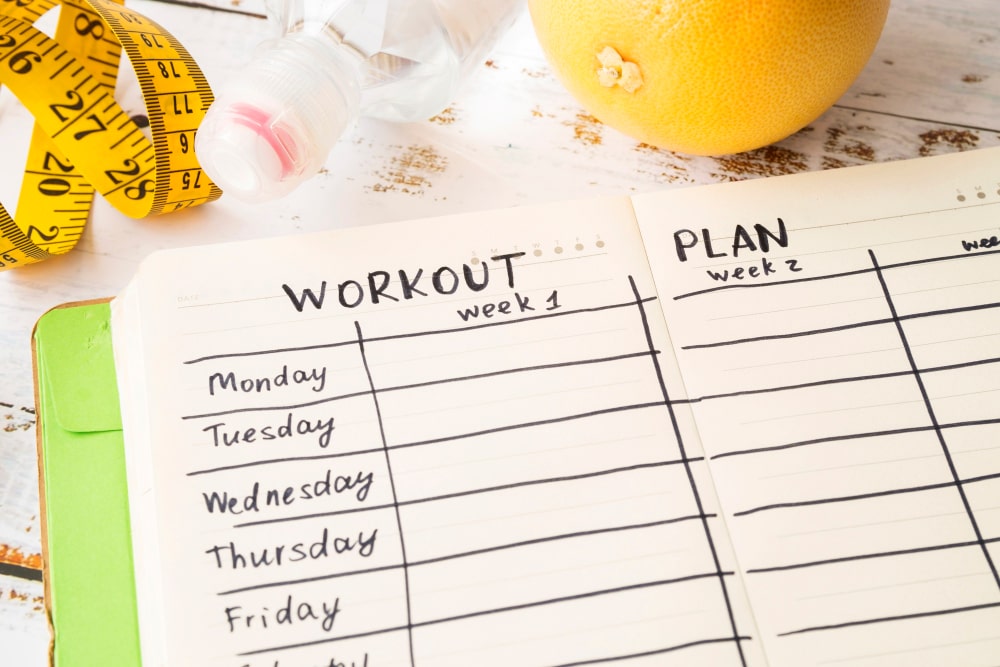
Do you want to start an exercise routine but have no idea how to create a beginner workout plan? First of all, congratulations, you have decided to make a positive change in your lifestyle and add regular exercise to your routine. Many individuals struggle with creating a workout plan that is tailored to their specific needs and goals.
As a beginner, it’s essential to have a workout plan that is both effective and sustainable. A well-designed workout plan can help you stay motivated, track your progress, and prevent injuries. Here, I’ll walk you through the steps to creating a beginner workout plan that will help you achieve your fitness goals.
Let’s first look at why a workout plan is important for beginners.
Why a Workout Plan is Important for Beginners?
A workout plan provides structure and direction to your fitness journey. Here are some reasons why it’s important for beginners:
- Motivation: A workout plan can keep you motivated as it sets out clear goals and objectives for you to achieve. It gives you a sense of accomplishment when you complete each workout and move closer to your fitness goals.
- Consistency: By following a workout plan, you can establish a consistent routine. Consistency is crucial for seeing progress in your fitness journey. Yes, with a set schedule, it’s easier to make exercise a habit and stick to it in the long run.
- Variety: Most workout plans include a mix of different exercises and activities. This not only keeps your workouts interesting but also gives you the opportunity to target different muscle groups and prevent boredom or plateauing in your progress.
- Safety: A well-designed exercise plan includes exercises that are safe and appropriate for your fitness level. This helps prevent injuries and ensures that you are exercising in a way that benefits your body.
- Flexibility: A good exercise plan should also have room for flexibility, allowing you to make adjustments to suit your schedule and needs.
- Tracking progress: Keeping track of your progress is essential in any exercise plan. This not only helps you stay motivated, but it also allows you to see how far you’ve come and identify areas where you can improve.
As you can see, there are many benefits to creating a well-rounded exercise plan.
Creating a Balanced Workout Plan For Beginners
Step 1: Define Your Goals
Did you know that it is very important to identify your goals before starting any exercise plan? Having a clear understanding of what you want to achieve will help you stay focused and motivated throughout your journey. Your goals can be anything from losing weight to building muscle or simply improving your overall health.
It doesn’t matter what your goals are, as long as they are realistic and achievable. Yes, dreaming big is great, but it’s important to also set smaller, short-term goals that will help you stay on track and celebrate your progress along the way.
| Goal Type | Description | Example |
|---|---|---|
| Short-Term Goals | Smaller, immediate objectives that can be achieved quickly. | Jogging for 15 minutes daily. |
| Medium-Term Goals | Milestones that require moderate effort over weeks or months. | Losing 10 pounds in 3 months. |
| Long-Term Goals | Big-picture achievements that take significant time and effort. | Training for a marathon. |
This is just an example of how you can structure your goals. The most important thing is to make sure they are specific, time-bound, achievable, and relevant to your overall aspirations.
You may also need: 5 Beginner Workout Tips for Weight Loss
Step 2: Assess Your Current Fitness Level
Before you jump into any new routine, it helps to know where you stand. Take a few minutes to honestly evaluate your current fitness.
This includes considering how active you are, if you have any injuries or health conditions, and what types of exercise you enjoy. This self-assessment will help you create a workout plan that is manageable and tailored to your individual needs.
I see many people who start their fitness journey with high-intensity workouts and end up discouraged or injured. So take the time to assess your fitness level and find a routine that works for you.
Remember, it’s not a race to see who can do the most fitness activities in the shortest amount of time. It’s about finding sustainable habits that will lead to long-term health and wellness.
Step 3: Choose Your Workout Days and Times
Structure is key when learning how to create a beginner workout plan. It’s important to set specific days and times for your workouts to establish consistency and build a routine. Not only will this help you stay on track, but it will also make it easier to stick to your plan and see progress.
Decide how many days per week you want to work out and which days of the week work best for your schedule. If you’re just starting, aim for 3-4 days of exercise per week with at least one rest day in between.
Example Weekly Schedule:
| Day | Workout |
|---|---|
| Monday | Full Body Strength |
| Wednesday | Cardio + Core |
| Friday | Strength + Flexibility |
| Saturday | Optional Walk or Yoga |
Having a plan on paper builds commitment and makes skipping less likely.
Step 4: Select Exercises for a Well-Rounded Routine
A balanced beginner workout plan should include:
- Strength training: Bodyweight squats, push-ups, lunges, and light dumbbell or resistance band exercises.
- Cardio: Brisk walking, cycling, jogging, or low-impact dance routines.
- Core: Simple moves like planks, bridges, and bird-dogs strengthen your center.
- Flexibility: Stretching or yoga to keep muscles loose and support recovery.
Example Beginner Full-Body Workout:
- 10 squats
- 8 push-ups (knees, if needed)
- 10 lunges per leg
- 20-second plank
- 10 glute bridges
Repeat 2–3 times, resting between sets.
Remember, if you’re new, it’s fine to start with fewer reps or sets. Pay attention to your body and move forward at your own pace. As you become more comfortable and stronger, gradually increase the number of reps or sets.
Step 5: Track Your Progress
The next step in creating a beginner workout plan is tracking your progress. This involves keeping track of the exercises you’re doing, the number of reps and sets, and any variations or modifications you make. Tracking progress not only helps with motivation but also ensures that you’re making progress towards your goals.
Ways to track your fitness progress:
- Keep an exercise journal
- Use a fitness tracking app
- Take progress photos
- Measure your body composition
- Keep track of weight and measurements
It’s important to track your progress so you can monitor your improvements over time. This also allows you to make adjustments to your workout plan if needed. For example, if you’re not seeing any changes in your weight, you can evaluate your diet and exercise routine to see where improvements can be made.
Step 6: Reassess and Adjust Your Plan Regularly
Your beginner workout plan isn’t set in stone. As you progress, your goals and abilities may change, and that’s a good thing. Every 4–6 weeks, review your plan. Are you seeing results? Do you need to increase the intensity or add new exercises?
Adjust your workouts, add more challenging exercises, or try new activities to keep yourself engaged.
Final Words
Learning how to create a beginner exercise plan is your first step towards a healthier, more active lifestyle. Remember to set clear goals, start at your own pace, and focus on building habits that you can maintain. With patience, consistency, and a smart approach, you will see results and enjoy the journey.
Frequently Asked Questions
Can I start exercising if I am not in good shape?
Yes, you can start exercising even if you are not in good shape. It is important to start at a level that is comfortable for you and gradually increase your intensity as your fitness improves.
How long should my workouts be?
Start with 20 to 30-minute sessions and gradually increase the duration as you build stamina. Consistency is more important than long workouts when you’re just starting out.
Do I need any special equipment?
Not necessarily! Bodyweight exercises like squats, push-ups, and planks are great for beginners. However, if you want to add variety, light dumbbells, resistance bands, or a yoga mat can be helpful.
Can I create a workout plan if I have a busy schedule?
Absolutely! Even short 15- to 20-minute sessions can be effective. Focus on high-intensity or shorter workouts on busy days and maintain consistency over time.
