


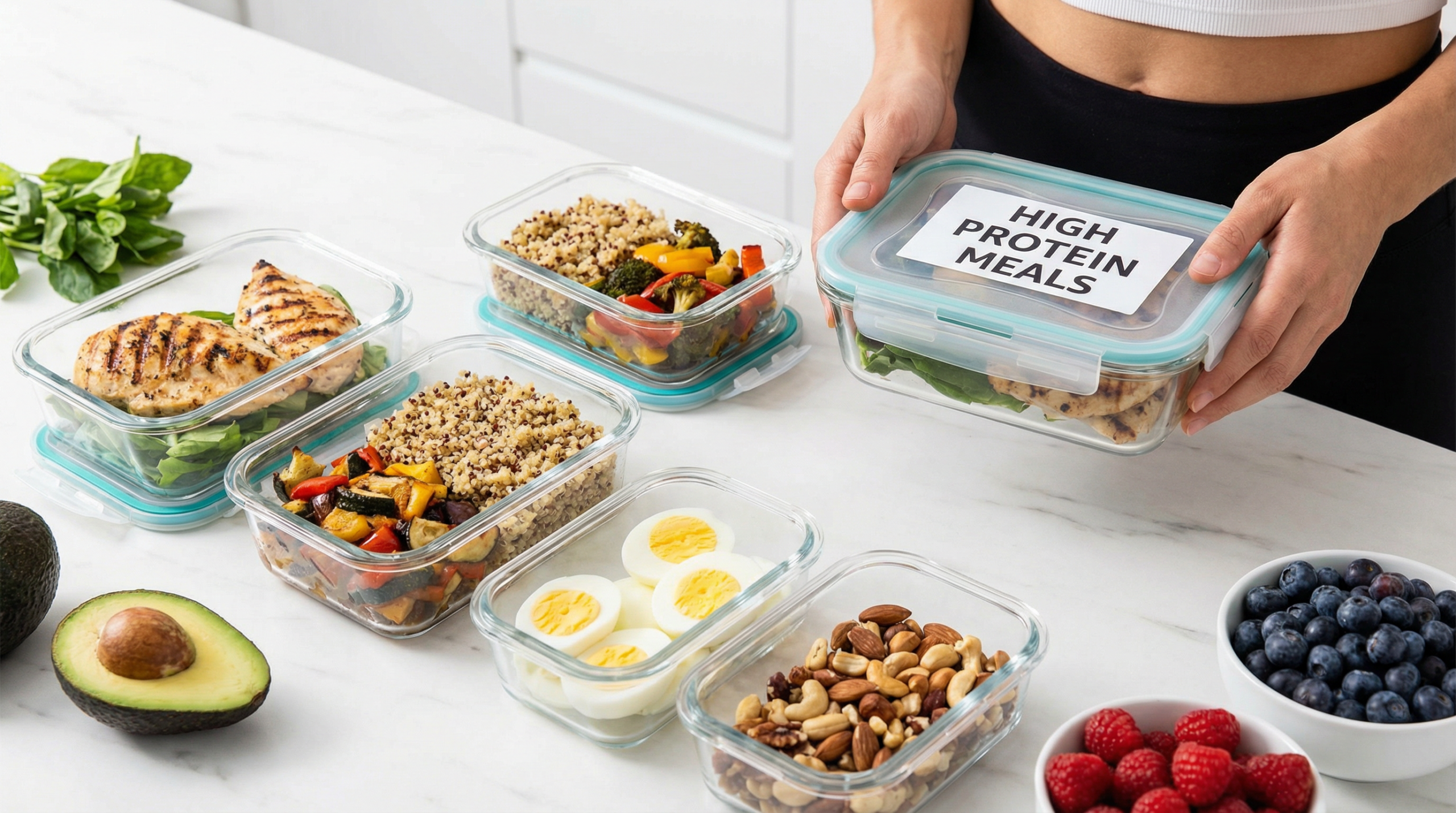
A high protein diet for women typically requires 0.7 to 1 gram of protein per pound of body weight daily to build muscle, boost metabolism, and support hormonal health. With protein becoming the most talked-about macronutrient in fitness and wellness, many women wonder if they’re eating enough. This complete guide breaks down exactly how much protein women need, the best sources, and practical meal ideas to hit your daily goals.
Why Women Need a High Protein Diet
Protein isn’t just for bodybuilders. According to Harvard Health, protein is essential for building and maintaining muscle mass, which naturally declines with age. For women specifically, adequate protein intake supports bone density, hormonal balance, healthy hair and skin, and weight management.
Research from the National Institutes of Health shows that women often under-consume protein, especially as they age. The standard recommendation of 0.36 grams per pound of body weight is actually the minimum to prevent deficiency—not the optimal amount for thriving health and fitness.
If you’re starting your fitness journey, pairing a high protein diet for women with realistic fitness goals creates the foundation for lasting results.
How Much Protein Do Women Actually Need?
Your ideal protein intake depends on your activity level, goals, and body weight. Here’s a breakdown:
| Activity Level | Protein Goal | Example (150 lb woman) |
|---|---|---|
| Sedentary | 0.5-0.6g per lb | 75-90g daily |
| Moderately Active | 0.6-0.8g per lb | 90-120g daily |
| Regular Exercise | 0.8-1.0g per lb | 120-150g daily |
| Intense Training/Muscle Building | 1.0-1.2g per lb | 150-180g daily |
| Weight Loss (preserving muscle) | 1.0-1.2g per lb | 150-180g daily |
Key insight: Women trying to lose weight actually need MORE protein, not less. Higher protein intake preserves muscle mass during caloric deficit and keeps you feeling full longer.
7 Benefits of a High Protein Diet for Women
1. Builds and Maintains Lean Muscle
Muscle is metabolically active tissue that burns calories even at rest. After age 30, women naturally lose 3-5% of muscle mass per decade. A high protein diet for women combined with resistance training counteracts this decline and builds a toned, strong physique.
2. Boosts Metabolism
Protein has a higher thermic effect than carbs or fats, meaning your body burns more calories digesting it. Studies show protein increases metabolic rate by 15-30%, compared to 5-10% for carbs and 0-3% for fats.
3. Reduces Hunger and Cravings
Protein is the most satiating macronutrient. It reduces levels of the hunger hormone ghrelin while boosting peptide YY, which makes you feel full. Women who eat adequate protein report fewer cravings and less snacking between meals.
4. Supports Bone Health
Women face higher osteoporosis risk, especially after menopause. Research published in the American Journal of Clinical Nutrition shows that higher protein intake is associated with better bone mineral density and reduced fracture risk.
5. Promotes Healthy Hair, Skin, and Nails
Your hair, skin, and nails are primarily made of proteins like keratin and collagen. Inadequate protein intake often shows up as brittle nails, thinning hair, and dull skin. Increasing protein can visibly improve all three.
For complete beauty from inside out, learn how to protect your skin while nourishing it with proper nutrition.
6. Balances Hormones
Amino acids from protein are building blocks for hormones including estrogen, progesterone, and thyroid hormones. Adequate protein supports hormonal balance throughout your menstrual cycle and during perimenopause and menopause.
7. Improves Workout Recovery
After exercise, your muscles need protein to repair and grow stronger. Women who consume adequate protein experience less soreness and faster recovery between workouts.
Still feeling sore? Check out our 7 tips to reduce soreness after exercise.
Best Protein Sources for Women
Animal Protein Sources
| Food | Protein per Serving | Serving Size |
|---|---|---|
| Chicken breast | 31g | 4 oz cooked |
| Ground turkey (93% lean) | 22g | 4 oz cooked |
| Salmon | 25g | 4 oz cooked |
| Eggs | 6g | 1 large egg |
| Greek yogurt | 17g | 1 cup |
| Cottage cheese | 14g | ½ cup |
| Lean beef | 26g | 4 oz cooked |
| Shrimp | 24g | 4 oz cooked |
| Tuna | 25g | 4 oz canned |
Plant-Based Protein Sources
| Food | Protein per Serving | Serving Size |
|---|---|---|
| Tofu (firm) | 20g | ½ cup |
| Tempeh | 17g | ½ cup |
| Lentils | 18g | 1 cup cooked |
| Black beans | 15g | 1 cup cooked |
| Chickpeas | 15g | 1 cup cooked |
| Edamame | 17g | 1 cup |
| Quinoa | 8g | 1 cup cooked |
| Hemp seeds | 10g | 3 tablespoons |
| Peanut butter | 8g | 2 tablespoons |
Protein Supplements
| Type | Protein per Serving | Best For |
|---|---|---|
| Whey protein | 20-30g | Post-workout, fast absorption |
| Casein protein | 20-25g | Before bed, slow release |
| Plant protein blend | 15-25g | Vegan/dairy-free option |
| Collagen peptides | 10-15g | Skin, hair, joint support |
Sample High Protein Meal Plan for Women
Here’s a sample day hitting approximately 130g of protein for a moderately active woman:
Breakfast (35g protein)
- 3 scrambled eggs (18g)
- 1 cup Greek yogurt (17g)
- Berries and a drizzle of honey
- Black coffee or tea
Lunch (35g protein)
- Grilled chicken salad with 5 oz chicken breast (38g)
- Mixed greens, tomatoes, cucumbers
- Olive oil and lemon dressing
- ½ cup quinoa on the side
Snack (15g protein)
- ½ cup cottage cheese (14g)
- Sliced peaches or pineapple
- Sprinkle of cinnamon
Dinner (35g protein)
- 5 oz grilled salmon (31g)
- Roasted broccoli and sweet potato
- Side salad with olive oil
Evening Snack (15g protein)
- Protein shake with almond milk (20g)
- Or 2 tablespoons almond butter with apple slices (7g)
Daily total: ~130-135g protein
Easy High Protein Snacks for Busy Women
Struggling to hit your protein goals? Keep these convenient snacks on hand:
- Hard-boiled eggs: 6g each, prep a batch on Sunday
- Greek yogurt cups: 15-17g, grab and go
- String cheese: 7g each, perfect purse snack
- Turkey or beef jerky: 10-15g per serving
- Cottage cheese cups: 14g, add fruit for flavor
- Protein bars: 15-20g, check sugar content
- Edamame: 17g per cup, great hot or cold
- Tuna packets: 20g, no refrigeration needed
- Roasted chickpeas: 7g per ½ cup, crunchy snack
- Protein shake: 20-30g, mix and drink
Tips for Eating More Protein Daily
1. Prioritize Protein at Every Meal
Build each meal around a protein source first, then add vegetables and carbs. This ensures you don’t fill up on lower-protein foods before getting adequate protein.
2. Front-Load Your Protein
Many women eat most protein at dinner. Instead, aim for 30+ grams at breakfast. This stabilizes blood sugar, reduces cravings, and makes hitting daily goals easier.
3. Prep Protein in Batches
Grill several chicken breasts, hard-boil a dozen eggs, or cook a large batch of lentils on Sunday. Having protein ready makes healthy eating effortless during busy weeks.
4. Add Protein to Foods You Already Eat
Boost protein without changing your entire diet:
- Add collagen to morning coffee (10g)
- Mix protein powder into oatmeal (20g)
- Top salads with grilled chicken or salmon
- Swap regular yogurt for Greek yogurt
- Add beans to soups and salads
- Choose protein pasta (25g per serving)
5. Track Your Intake Initially
Use an app like MyFitnessPal or Cronometer for 1-2 weeks to understand your current intake. Most women are surprised to find they’re eating far less protein than they thought.
6. Don’t Fear Protein Supplements
Whole foods are ideal, but protein powders are a practical tool—not cheating. A quality whey or plant protein helps fill gaps when whole food isn’t convenient.
Learning to listen to your body includes recognizing when you need more protein.
Common Myths About High Protein Diets for Women
Myth 1: “High protein will make me bulky”
Truth: Women don’t have enough testosterone to build bulky muscles easily. Protein combined with exercise creates a toned, lean physique—not bulk. Female bodybuilders train specifically for years with extreme protocols to build significant muscle.
Myth 2: “Too much protein damages kidneys”
Truth: For healthy individuals, high protein intake does not harm kidneys. This concern applies only to people with pre-existing kidney disease. Studies on athletes consuming 1.5+ grams per pound show no kidney issues.
Myth 3: “You can only absorb 30g of protein per meal”
Truth: Your body can absorb and use more than 30g per meal. While spreading protein throughout the day may be optimal for muscle building, larger portions are still beneficial.
Myth 4: “Plant protein isn’t as good as animal protein”
Truth: While individual plant proteins may lack certain amino acids, eating a variety of plant sources throughout the day provides complete protein. Soy, quinoa, and hemp are complete proteins on their own.
Myth 5: “Protein shakes are only for gym bros”
Truth: Protein supplements are simply convenient food. They’re especially useful for busy women who struggle to eat enough whole food protein. Choose quality products without excessive added sugars.
High Protein Diet and Exercise
A high protein diet for women delivers maximum benefits when combined with regular exercise, especially strength training. Here’s how to optimize both:
Pre-Workout Nutrition
Eat a balanced meal with protein and carbs 2-3 hours before exercise, or a lighter snack 30-60 minutes before. Examples:
- Greek yogurt with banana
- Apple with peanut butter
- Small portion of chicken with rice
- Protein smoothie with fruit
Post-Workout Nutrition
Consume 20-40g of protein within 2 hours after training. This window supports muscle repair and growth. Quick options include:
- Protein shake with water or milk
- Chocolate milk (surprisingly effective)
- Chicken breast with sweet potato
- Eggs with whole grain toast
New to the gym? Read what to bring to the gym for your first time and how to choose the right gym.
Signs You’re Not Eating Enough Protein
Your body sends signals when protein intake is too low:
- Constant hunger: Never feeling satisfied after meals
- Sugar cravings: Your body seeking quick energy
- Slow recovery: Extended muscle soreness after workouts
- Fatigue: Low energy despite adequate sleep
- Weak nails: Brittle, breaking, or ridged nails
- Hair loss: Excessive shedding or thinning
- Frequent illness: Weakened immune function
- Loss of muscle: Feeling weaker over time
- Slow wound healing: Cuts and bruises take longer to heal
- Brain fog: Difficulty concentrating
If you experience several of these symptoms, gradually increase your protein intake over 2-3 weeks and note improvements.
High Protein Diet for Specific Goals
For Weight Loss
Aim for 1.0-1.2g per pound of body weight. High protein preserves muscle during caloric deficit, keeps you full, and boosts metabolism. Prioritize lean proteins and watch total calories.
For Muscle Building
Target 0.8-1.0g per pound minimum, up to 1.2g if training intensely. Spread protein evenly across 4-5 meals. Combine with progressive strength training and slight caloric surplus.
For Maintenance
Consume 0.6-0.8g per pound to maintain current muscle mass and support daily functions. Focus on variety and whole food sources.
For Women Over 40
Protein needs actually increase with age due to decreased absorption efficiency. Aim for at least 0.8-1.0g per pound to combat natural muscle loss and support bone health.
Frequently Asked Questions
Can I eat too much protein?
For healthy individuals, eating high protein is safe. Extremely high intakes (over 2g per pound) offer no additional benefits and may displace other important nutrients. Stick to 0.7-1.2g per pound for optimal results.
Will high protein help me lose belly fat?
You can’t spot-reduce fat, but high protein diets support overall fat loss by boosting metabolism and preserving muscle. Combined with a caloric deficit and exercise, you’ll lose fat from all areas including your midsection.
Is it hard to eat enough protein as a vegetarian?
It requires more planning but is absolutely achievable. Focus on tofu, tempeh, legumes, Greek yogurt, eggs (if eaten), and plant protein powders. Combine different plant sources for complete amino acid profiles.
Should I drink protein shakes even on rest days?
Yes, your muscles recover and grow on rest days too. Maintain consistent protein intake daily, not just on training days. Your body needs amino acids around the clock for repair and maintenance.
What’s the best protein powder for women?
There’s no gender-specific protein powder needed. Look for products with 20+ grams protein per serving, minimal added sugars (under 5g), and third-party testing. Whey isolate, casein, and pea protein blends are all excellent choices.
How do I get enough protein without eating meat?
Excellent non-meat protein sources include eggs, Greek yogurt, cottage cheese, fish, tofu, tempeh, legumes, quinoa, and protein supplements. A combination of these can easily meet your daily needs.
Will eating more protein give me energy?
Yes, adequate protein stabilizes blood sugar levels, preventing energy crashes. Many women report sustained energy throughout the day when they increase protein intake, especially at breakfast.
The Bottom Line
A high protein diet for women is one of the most impactful changes you can make for your health, fitness, and body composition. Whether your goal is building muscle, losing fat, or simply feeling more energized, protein is the foundation.
Start by calculating your target (0.7-1.0g per pound for most active women), then build meals around quality protein sources. Don’t stress about perfection—focus on consistent improvement. Track your intake for a week or two to understand your baseline, then gradually increase until you hit your goals.
Remember that protein works best alongside regular exercise, adequate sleep, and an overall balanced diet. The combination of proper nutrition and consistent training creates results that last a lifetime.
Ready to put your nutrition to work? Check out our guide on setting realistic fitness goals to create a complete plan for success.
